
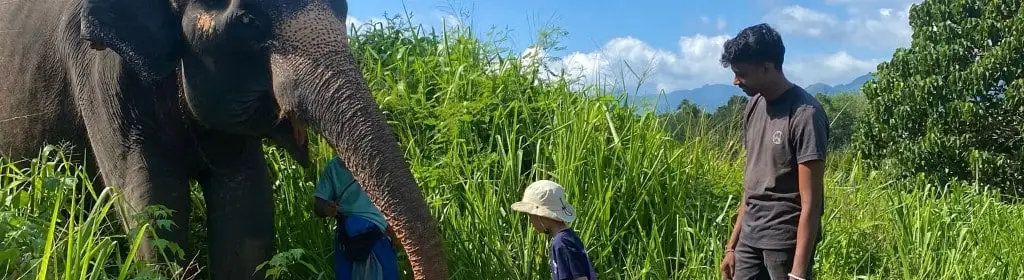
Every elephant here arrived with a history
Not exhibits. Individuals with histories.
Our elephants came out of hard labour and tourism — hauling timber, or carrying people. What they need now is unremarkable and expensive: enough food, clean water, medicine, shade, and the freedom to walk to the river and back at whatever pace they choose.
Each arrives with their own character and their own damage. Some are nervous around new people. Some are relaxed enough to graze a few metres from a group of visitors. We introduce you to them properly when you come, and we explain how each one is fed differently.
The family changes over the years, as elephants come into our care and as we lose others. When you book a visit we will tell you exactly who is here.
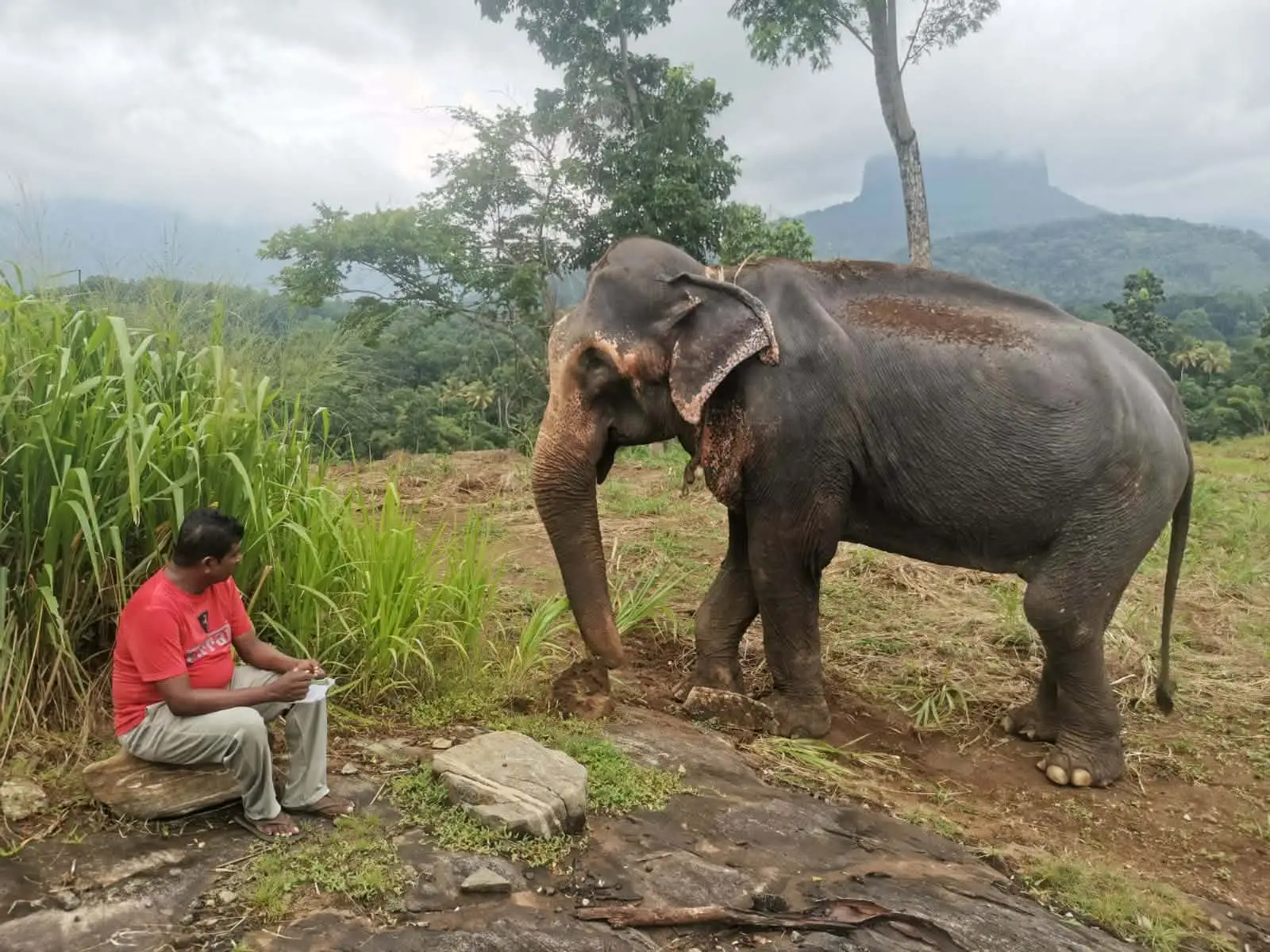
Since 2015
Elephants we have had
The elephants who have been part of this project since Amarasiri started it.
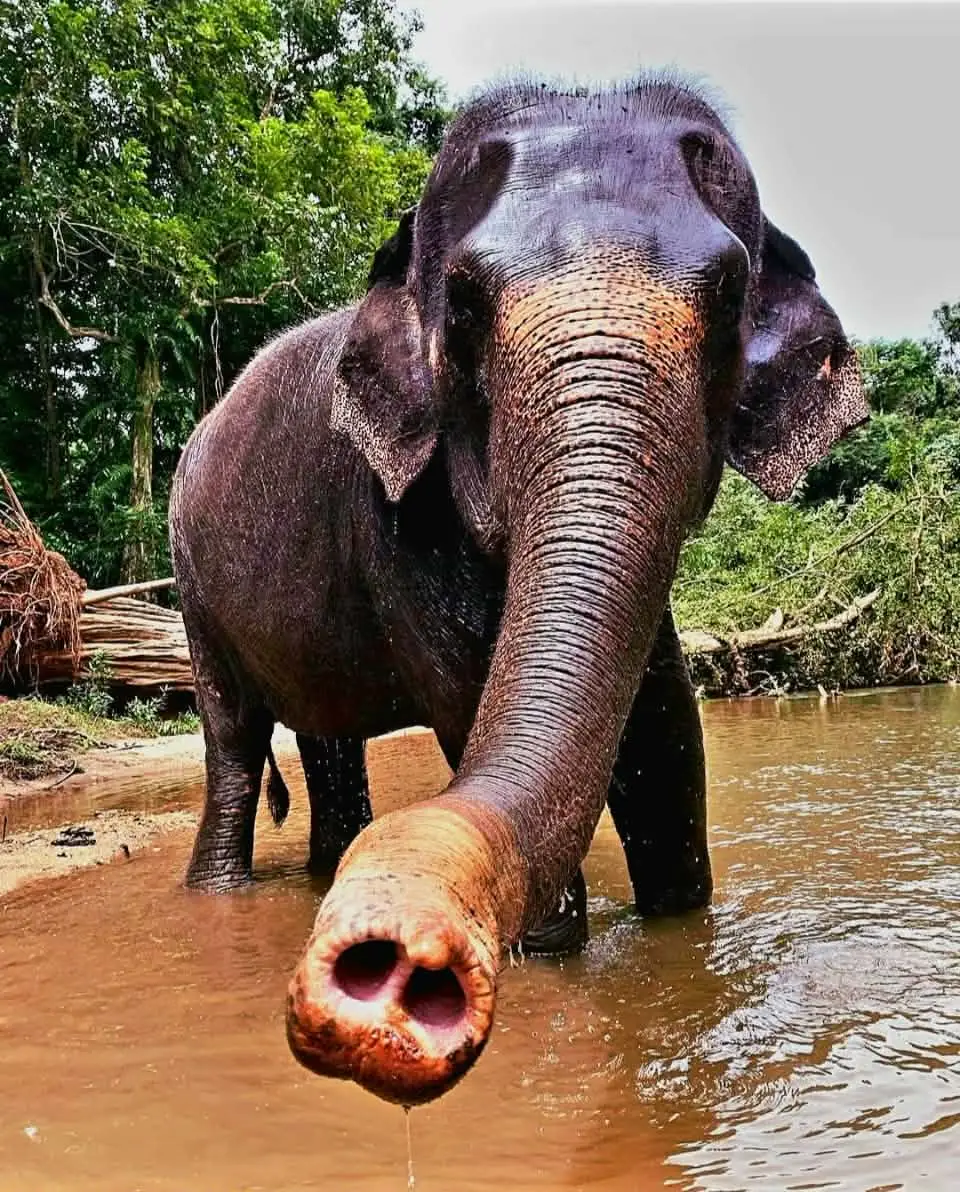
Mali
The elephant most visitors meet first, and the one our photographs keep returning to. Changing the relationship between Mali and her mahout, Samandha, is the change we are proudest of.
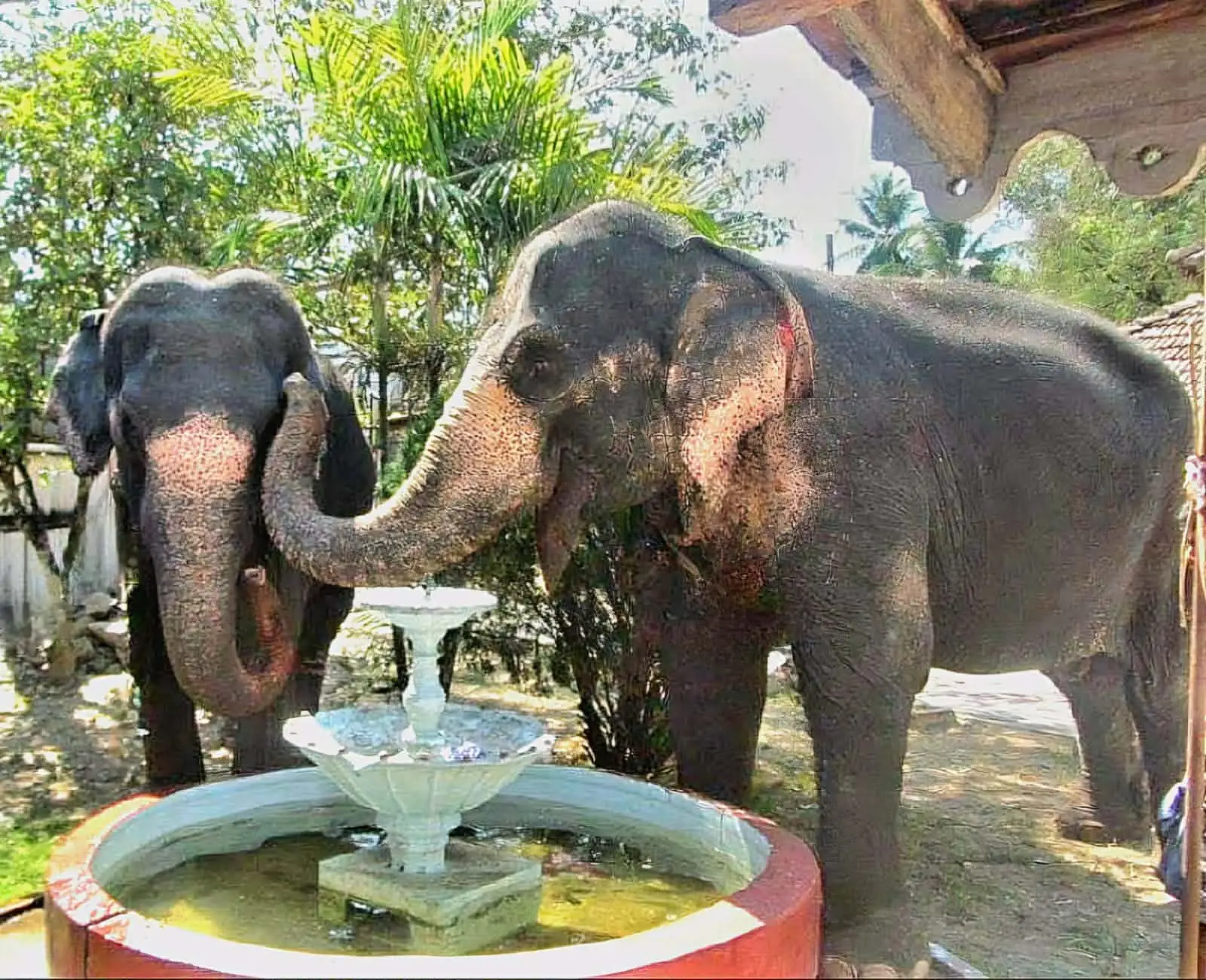
Seeta and Mali
Seeta, on the right, with Mali at the fountain.
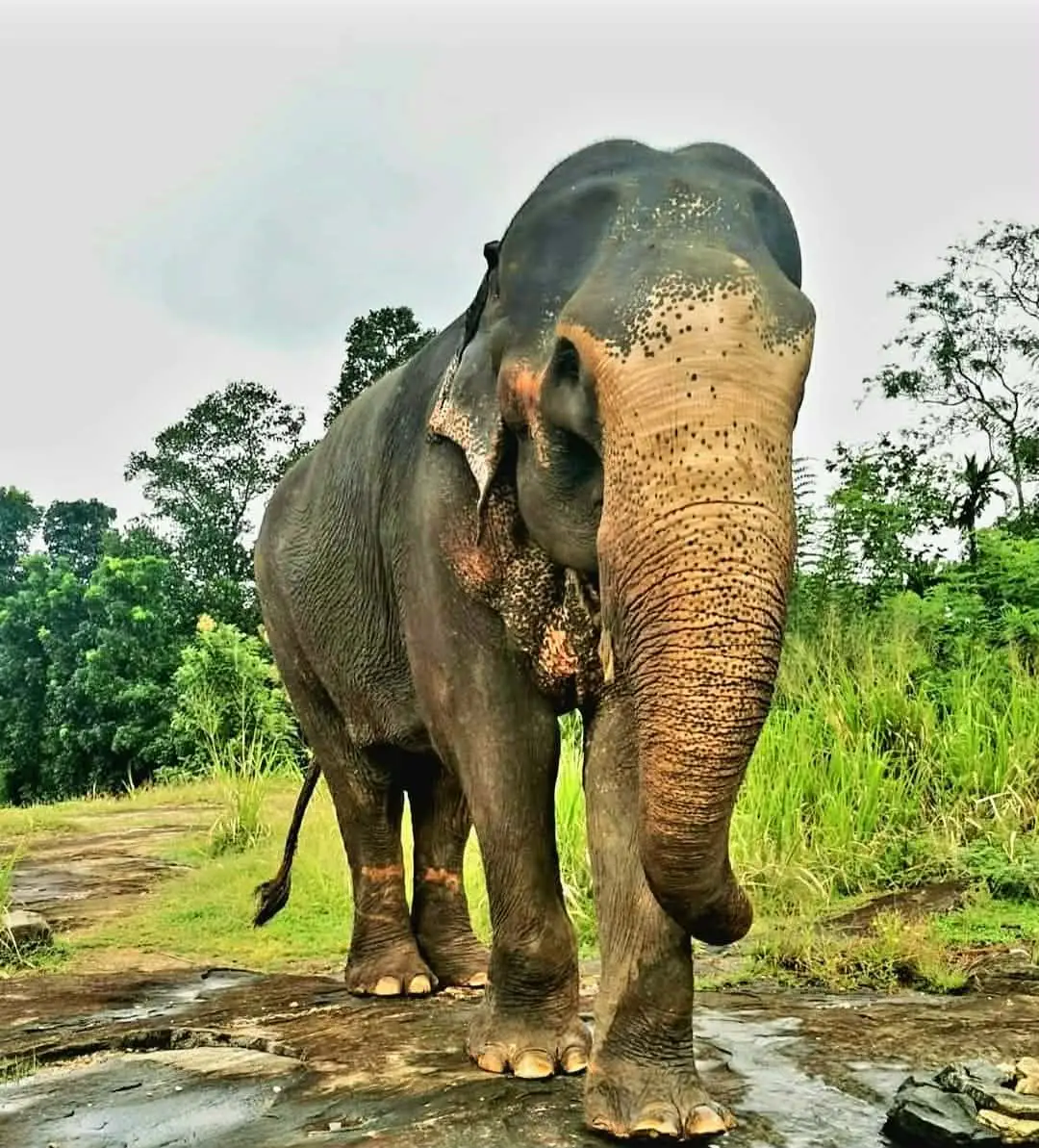
Raja
He has come to ECRF more than six times since the beginning.
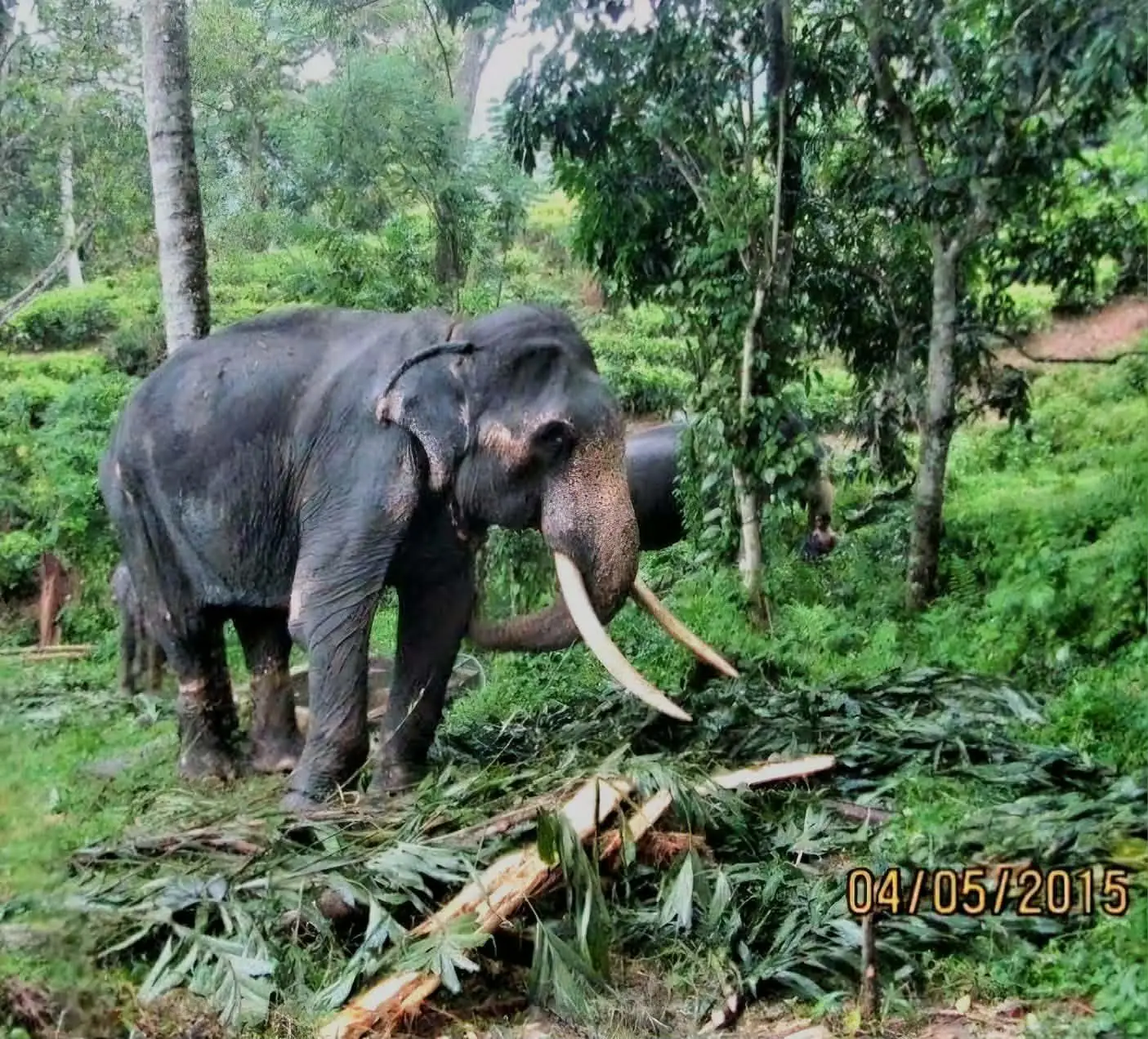
Raja the Tusker
Photographed at the project in May 2015 — the year Amarasiri started Elephant Care Relief.
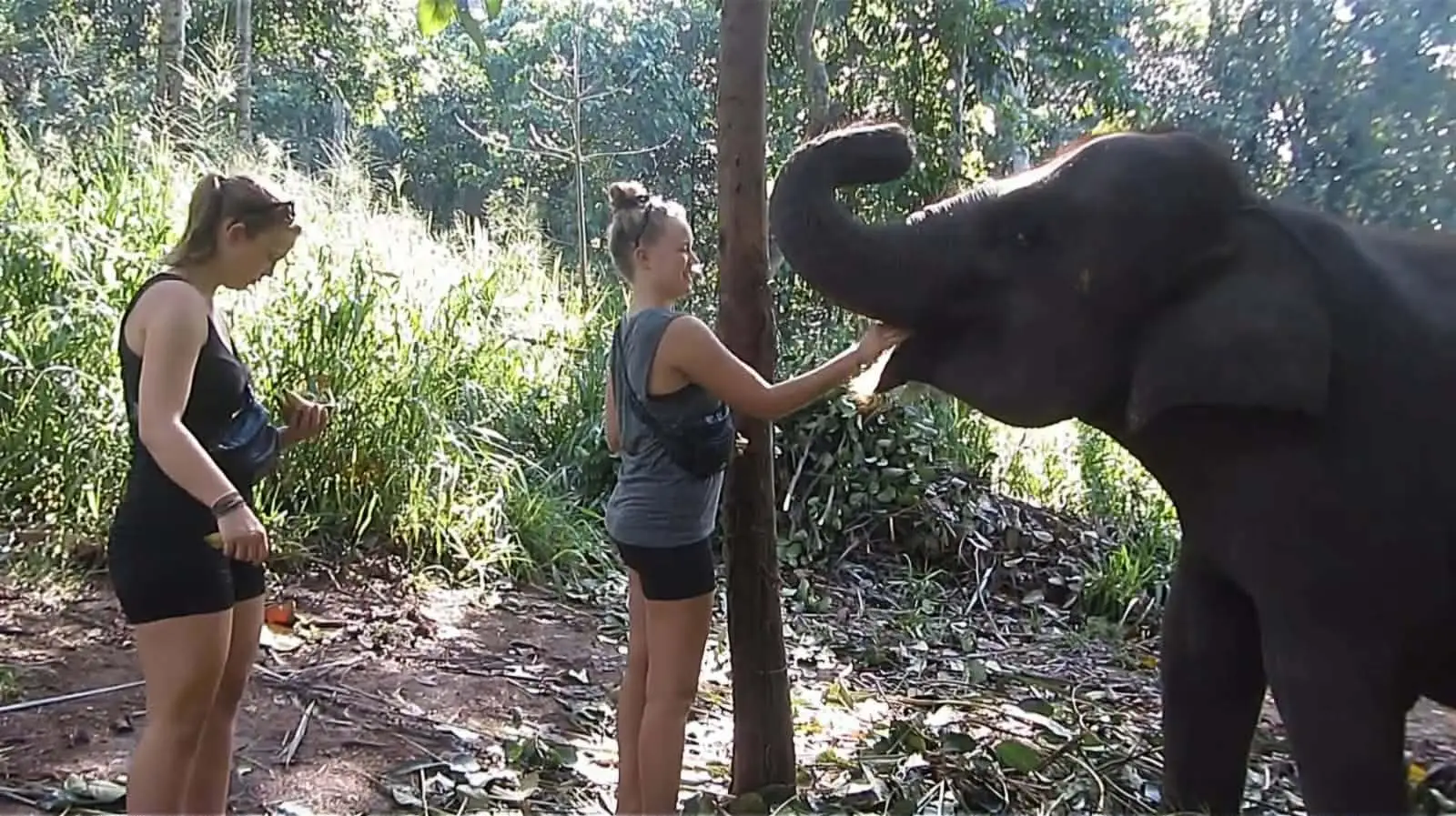
Manika
Her real name is Sudu Manuke. She is the first elephant we brought, while she was training for the hard work.
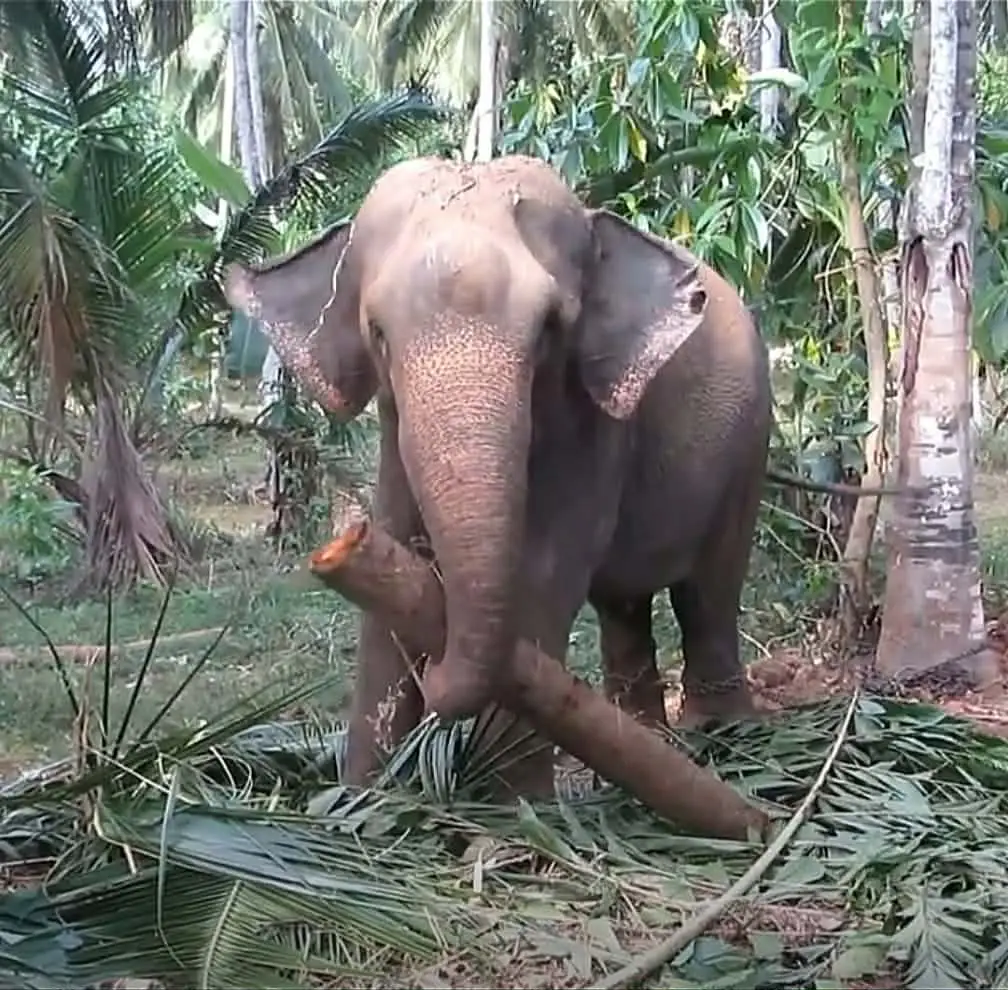
Tharaka
We found this giant at an elephant riding place.
The ones we have lost
A working elephant's natural lifespan is 80 to 100 years. Many do not make it past 55. Some of the elephants who came to us had already carried too much for too long.
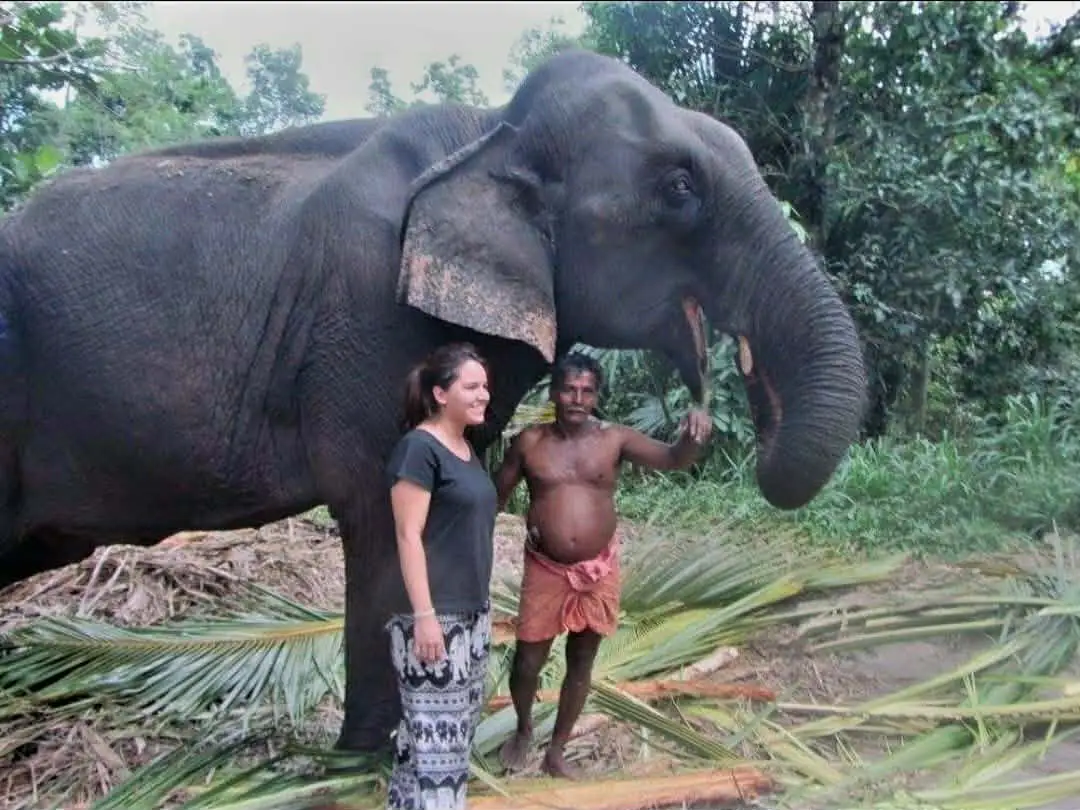
Kandula
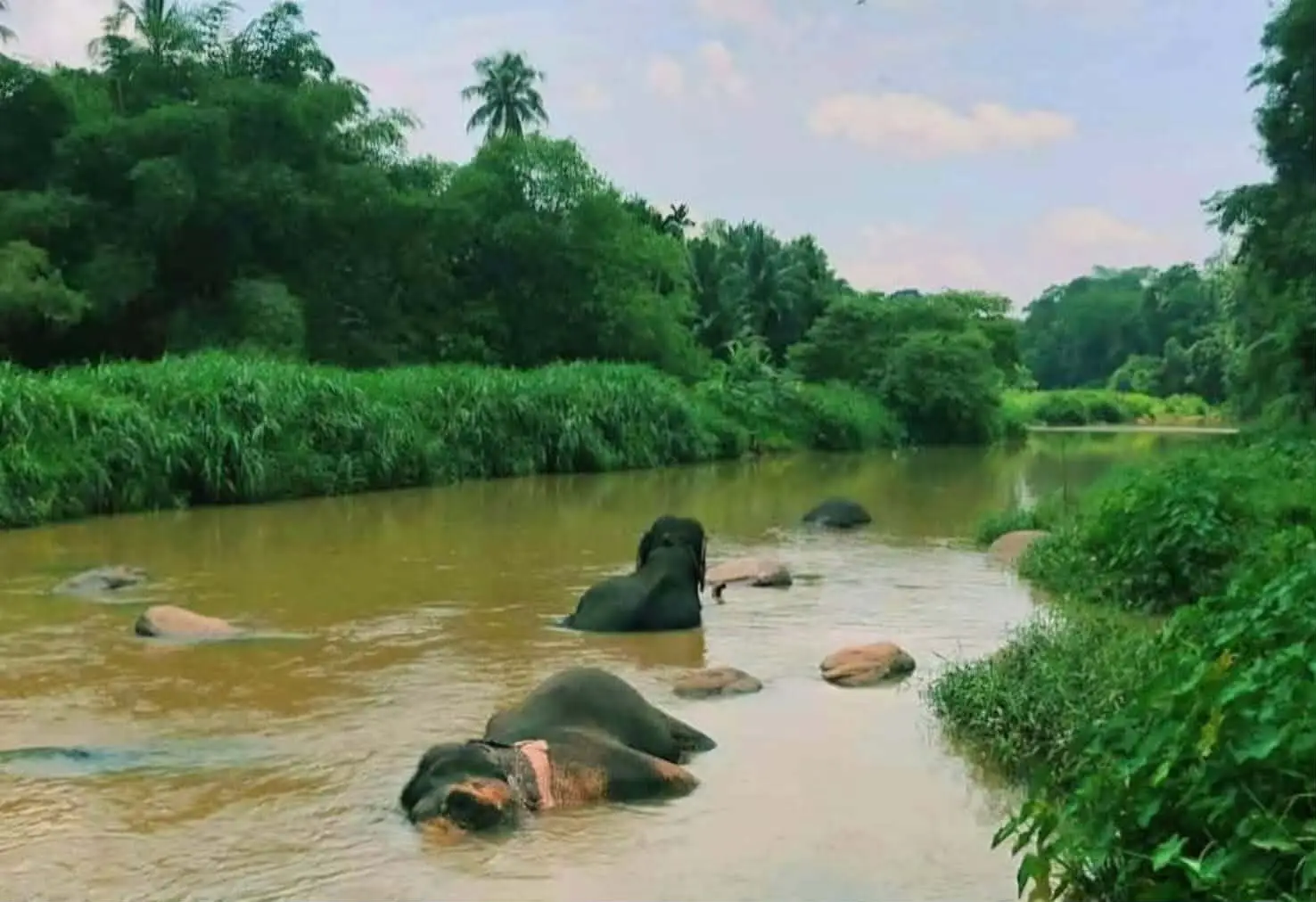
Kumara
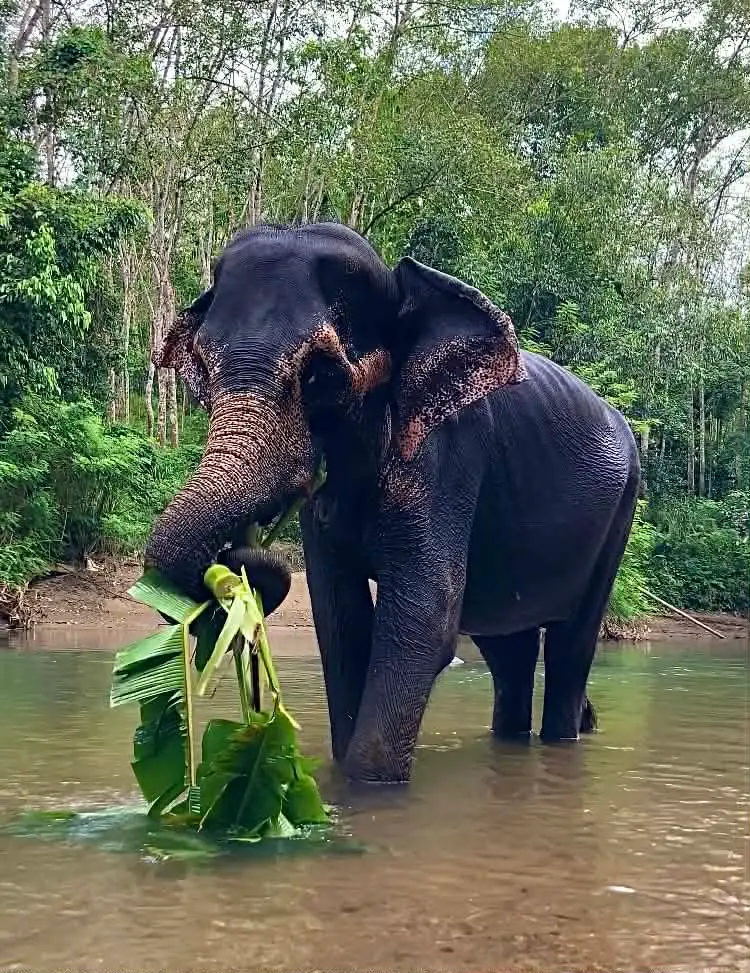
Rani
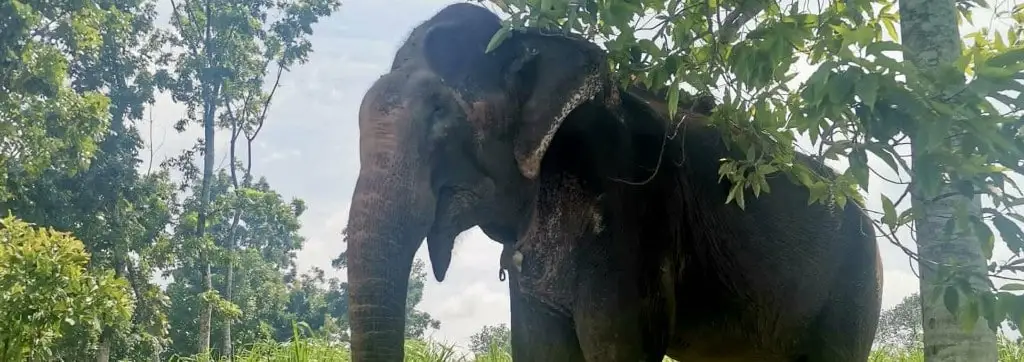
Keeping them fed is the whole job
An elephant eats an enormous amount every single day. Donations cover the food, the mahouts and the medicine — and they are the reason these elephants no longer have to work for a living.